Is cash still accepted in China?
Yes, legally. The Chinese yuan (RMB) is the official currency, and under Chinese law, no business may refuse cash payment. The People's Bank of China has explicitly stated that refusing cash is illegal and has fined businesses for doing so.
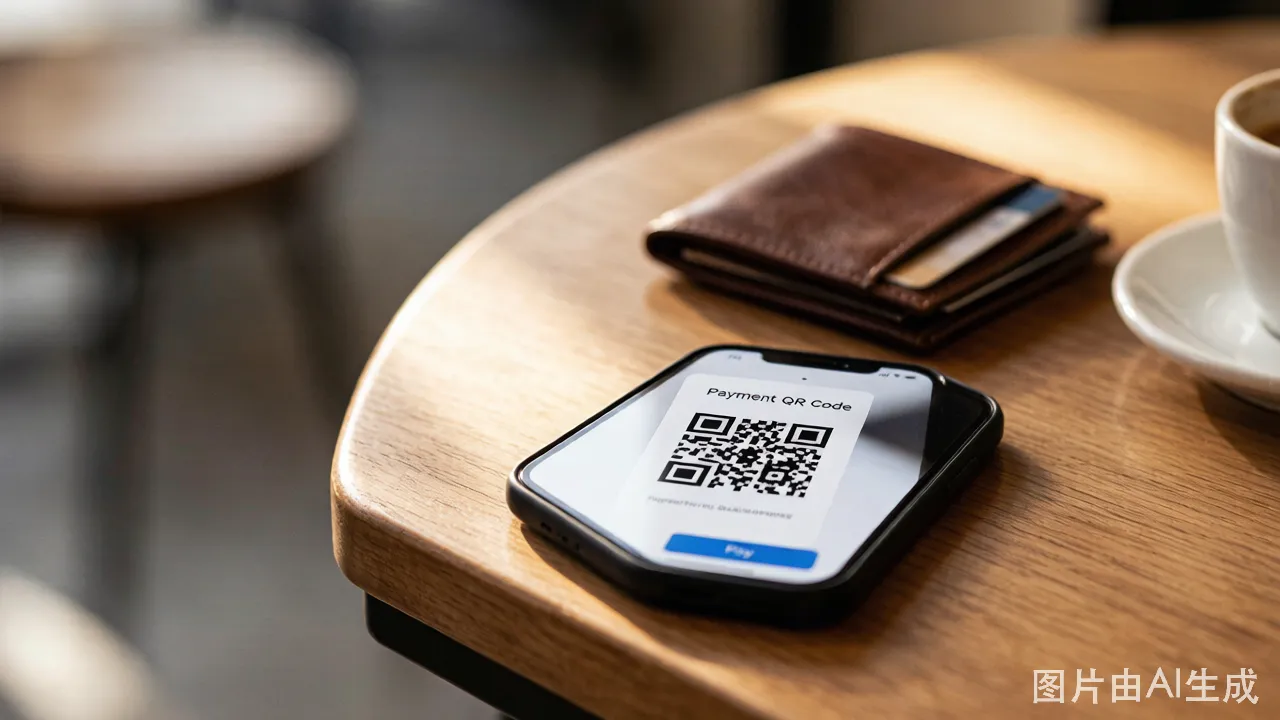
In practice, the experience varies. China is the most mobile-payment-saturated major economy in the world. Many younger vendors, small shops, and market stalls default to QR code payments and may not carry change. They will usually accept cash if you insist, but the transaction may be awkward and slow.
What RMB Looks Like — All Denominations
Chinese currency comes in the following denominations. Familiarize yourself with the look and feel of each one:
Banknotes (纸币)
| Denomination | Color | Front Portrait | Back Image | Typical Use |
|---|---|---|---|---|
| 100 RMB | Red | Mao Zedong | Great Hall of the People (Beijing) | Largest common note. Used for hotel deposits, large restaurant bills, shopping. |
| 50 RMB | Green-blue | Mao Zedong | Potala Palace (Lhasa, Tibet) | Medium purchases, restaurant meals, taxi fares for long rides. |
| 20 RMB | Brown-orange | Mao Zedong | Li River (Guilin, Guangxi) | Convenience store purchases, short taxi rides, small restaurant meals. |
| 10 RMB | Blue-gray | Mao Zedong | Three Gorges (Yangtze River) | Street food, metro tickets, water bottles, snacks. |
| 5 RMB | Purple | Mao Zedong | Mount Tai (Shandong) | Small snacks, public toilet fees, bus fares. |
| 1 RMB | Green | Mao Zedong | West Lake (Hangzhou) | Smallest banknote. Vending machines, some bus fares, loose change. |
Coins (硬币)
| Denomination | Color | Size | Typical Use |
|---|---|---|---|
| 1 RMB | Silver (nickel) | 25 mm diameter | Vending machines, bus fares, public toilet fees. Feels similar to a 1-euro coin. |
| 0.5 RMB (5 jiao) | Gold-brass | 20.5 mm | Exact change for small amounts. Less common. |
| 0.1 RMB (1 jiao) | Silver (small) | 19 mm | Extremely small change. Almost never used in practice. Some supermarkets give these as exact change. |
What to Look For
All notes from the current (fifth) series feature Mao Zedong on the front. The watermark in the left-hand white space shows a second portrait of Mao. Banknotes have a textured, slightly rough feel due to the raised printing. Genuine notes have a metallic security thread running vertically through the paper. Counterfeit notes feel smooth and lack the metallic thread — the paper feels like regular printer paper.
The older fourth-series notes (with ethnic minority figures on the front instead of Mao) are still in circulation but increasingly rare. They are legal tender and should be accepted, though a young cashier may look at them suspiciously. If you receive one as change, you can use it — just don't be surprised if someone examines it.
ATM Screen English Mode
When you approach a Chinese bank ATM with a foreign card, the experience starts in Chinese. Here is how to switch to English:
Bank of China (BOC) ATM:
- Insert or tap your card. The screen shows Chinese text with a small British and/or American flag icon in the bottom-right corner.
- Tap the flag icon. The entire interface switches to English.
- Enter your PIN. The keypad layout matches international ATMs.
- Select "Cash Withdrawal" → "From Savings Account" (credit cards go through "Credit Card Advance").
- Enter the amount in RMB. The ATM shows the exchange rate and any fees before confirming.
ICBC ATM: The English button is a text link that says "English" in the top-right corner of the splash screen. Tap it before inserting your card. The interface language then stays English for the entire session.
China Construction Bank (CCB) ATM: Language selection appears on the first screen after card insertion. Options: Chinese, English, Japanese, Korean. Select English.
Agricultural Bank of China (ABC) ATM: A Union Jack flag icon in the bottom-right corner. The English version is less polished than BOC — some menu options are translated awkwardly — but functional.
Important: If your card is retained by the ATM (eats your card and does not return it), do not leave the machine. Call the bank's customer service number printed on the ATM. Most large branches have an English-speaking option. You may need to go inside the branch during business hours with your passport to retrieve the card. ATMs at standalone locations without an adjacent branch are riskier for this reason — stick to ATMs attached to a bank branch if possible.
Currency Exchange Counter — What to Expect
At the airport arrival hall, after baggage claim and before you exit into the public area, you will see currency exchange counters. They typically have a backlit sign with "货币兑换 Currency Exchange" and display boards showing buy/sell rates.
What the counter looks like: A glass-enclosed booth with one or two clerks, a rate display board above the window, and a small slot under the glass for passing cash and documents. The clerk sits behind the glass. A calculator and a currency-counting machine are visible on the desk.
The process:
- Hand your foreign currency (USD, EUR, GBP, JPY, etc.) and your passport through the slot.
- The clerk checks your passport and enters your details into the system. This is an anti-money-laundering requirement — all currency exchanges are recorded.
- The clerk counts your foreign currency on a bill-counting machine, checks for counterfeit notes, and calculates the RMB equivalent.
- You receive a printed receipt showing the exchange rate, the amount exchanged, the RMB equivalent, and a transaction reference number.
- The clerk counts out the RMB notes in front of you, often fanning them out so you can see each note. Count it yourself too.
- Sign the receipt. Keep it — you may need it if you want to reconvert leftover RMB at the end of your trip.
Exchange rate tips:
- Airport exchange rates are worse than downtown bank rates. The spread (difference between buy and sell rate) is typically 2-4%. On a 500 USD exchange, this costs you 10-20 USD compared to exchanging at a downtown bank.
- Only exchange what you need for the first day or two at the airport. Get the rest from a downtown ATM or bank branch.
- Hotel exchange counters have the worst rates — 3-6% spread. Use only in an emergency.
- Never exchange money with unauthorized street dealers. This is illegal, and counterfeit RMB is a real problem.
A Typical Wallet in China — Cash + Phone
A local Chinese person's wallet in 2026 looks different from a Western wallet. Here is what you should carry:
What goes in your pocket/wallet:
- Phone — This is your primary payment device. Alipay and WeChat Pay cover 95% of transactions.
- 200-300 RMB in mixed cash — Two 100 RMB notes (red), one 50 RMB note (green), two 20 RMB notes (brown), two 10 RMB notes (blue), a 5 RMB note (purple), and three or four 1 RMB coins for public toilets and vending machines.
- One backup bank card kept in a separate compartment from your main card. If your primary card is declined or your wallet is stolen, you have a second card.
What you do NOT need to carry:
- Coins in large quantities — too heavy and not worth it. A handful of 1 RMB coins is enough.
- A thick stack of 100 RMB notes — this makes you a target and is unnecessary when most payments are digital.
- Foreign currency — it will not be accepted anywhere you actually want to spend it.
The rhythm of a typical day: buy a coffee with Alipay (scan the QR code), pay for lunch with Alipay, take the metro by tapping your phone (Alipay transport code), buy a bottle of water from a street vendor with a 10 RMB note (because their QR code is personal and does not accept foreign-linked cards), pay for dinner with Alipay, buy a snack from a night market stall with a 20 RMB note. You used cash twice all day — both times at small independent vendors. Everything else was phone payment.
Situations Where Cash Beats Phone
Not every situation favors digital payments. Here are the moments when cash is genuinely better than your phone:
1. Small Street Food Stalls at Night Markets
The vendor's QR code is a personal Alipay/WeChat code printed on a laminated card hanging from a string. These personal QR codes often do not process foreign bank cards, even when they are linked to your Alipay account. You scan, you authorize, and the transaction fails. Hand over a 10 or 20 RMB note instead. The transaction completes in three seconds and you do not hold up the queue behind you.
2. Taxis That Are Not DiDi
Licensed taxis in China accept cash by legal requirement. Some taxi drivers will wave their personal QR code and ask you to scan, but if your linked foreign card cannot process it, cash is your backup. Always have small notes — the driver may not have change for 100 RMB on a 25 RMB fare.
3. Rural Towns and Villages
Outside of cities, mobile payment is still widely used, but the infrastructure that supports foreign-linked cards thins out. A small noodle shop in a rural town may only have one QR code — a personal one — and your foreign card may not process through it. Cash eliminates this variable entirely.
4. Public Toilets
Self-explanatory. A 1 RMB coin or note is often required at the entrance turnstile or handed to the attendant. These turnstiles do not take cards or Alipay. They take coins.
5. When Your Phone Runs Out of Battery
The most obvious but most important one. A dead phone in China means you have no map, no translator, no ride-hailing app, and no way to pay digitally. That 200 RMB in your wallet means you can hail a physical taxi (cash), buy food (cash), and get back to your hotel (cash) entirely without your phone.
6. When an App Crashes or Freezes
Alipay occasionally logs you out and demands identity re-verification (passport photo, face scan). This happens at inconvenient times — like when you are standing at a restaurant counter with a 300 RMB bill. Cash bypasses the entire software stack.
7. Splitting Bills with a Group
You eat a meal with new friends. The total is 400 RMB. Everyone else scans the QR code to pay their share. Your Alipay, linked to a foreign card, cannot process a transfer to a personal QR code. Hand your share in cash to one person and they handle the rest digitally. This is a common and perfectly normal way to handle group payments as a foreigner.
Corollary: always carry enough small notes to pay your exact share. If the bill is 73 RMB per person, having a 50, 20, and three 1 RMB coins makes you look prepared. Handing over a 100 RMB note and waiting for change that does not exist makes you look like a problem.
Do I need cash if I have Alipay and WeChat Pay?
Yes, carry some cash. Even with both payment apps set up and working, there are situations where cash is necessary:
- Small street vendors and local markets. Many independent fruit sellers, breakfast stalls, and flea market vendors only use personal WeChat/Alipay QR codes that may not process foreign cards. Your linked foreign card might be declined at these terminals.
- Public toilets. Some public restrooms charge 1-2 RMB and only accept coins or small bills.
- Older vending machines. Machines in residential areas, some metro stations, and parks may predate mobile payment or may not accept foreign-linked accounts.
- Phone battery dies. If your phone runs out of power, cash is your only payment option.
- App glitches. Alipay or WeChat Pay may freeze, log you out, or demand re-verification at the worst possible moment.
How much cash should I carry?
For a city-based tourist on a typical day:
| Situation | Recommended Cash |
|---|---|
| Daily backup (city use, with working mobile payment) | 100-200 RMB |
| Day trip to rural area or small town | 300-500 RMB |
| Full day without phone (backup plan) | 800-1,000 RMB |
| Emergency reserve (keep separate from daily cash) | 500-1,000 RMB |
Carry a mix of denominations: 100 RMB notes for larger payments, and 10/20/50 RMB notes plus some 1 RMB coins for small purchases. Breaking a 100 RMB note for a 3 RMB purchase is the exact moment when "we do not have change" becomes a problem.
Where can I get cash?
-
Airport ATMs and currency exchange counters — immediately after customs in the arrival hall. Exchange rates are reasonable (better than hotel counters). Withdraw RMB directly from ATMs with Visa/Mastercard.
-
Downtown bank branches — Bank of China, ICBC, China Construction Bank, and Agricultural Bank of China all have ATMs that accept foreign cards. Look for the Visa/Mastercard logo on the ATM. Branch hours are typically 9 AM to 5 PM on weekdays; some branches are open Saturday mornings.
-
Hotel currency exchange — Most international hotels offer currency exchange, but rates are typically 2-5% worse than ATMs. Convenient but more expensive.
-
Currency exchange shops — Found in tourist areas and near major train stations. Rates vary widely. Check the displayed buy/sell spread before exchanging.
What about foreign currencies?
Do not expect to use USD, EUR, or other foreign currencies for day-to-day purchases. Outside of airport duty-free shops and a handful of luxury hotels, foreign currency is not accepted.
Why do some places claim "no cash accepted"?
This is a practical reality, not a legal one. The reasons:
- No change. A vendor who processes 100 QR code payments a day and zero cash transactions will not have a cash float. They genuinely cannot break a 100 RMB note.
- Theft prevention. Cash-only businesses are targets for theft. Digital payments are traceable and reduce this risk.
- Habit and speed. QR code transactions clear in one second. Cash transactions require counting, verifying bills, and making change — slower in a high-volume environment.
When told "no cash," you have options:
- Politely point out that cash is legal tender (this may or may not work, depending on the vendor's patience)
- Ask if they can make an exception
- Pay a friend who has a working mobile payment setup and reimburse them in cash
- Find the next vendor — most areas have multiple options
Can I use foreign bank cards directly?
Large chain stores, international hotels, and upscale restaurants often accept Visa and Mastercard directly at the point of sale — look for the card logo on the door or at the register. However, card acceptance at small businesses is very low.
What is the best overall payment strategy?
- Set up Alipay as your primary payment method — it has the best foreign card support.
- Set up WeChat Pay as a backup — for situations where Alipay fails or the vendor only has WeChat QR codes.
- Carry 200-300 RMB in cash daily — for the inevitable moments when neither app works.
- Keep a second card separate from your wallet — if you lose your primary card, you have a backup.