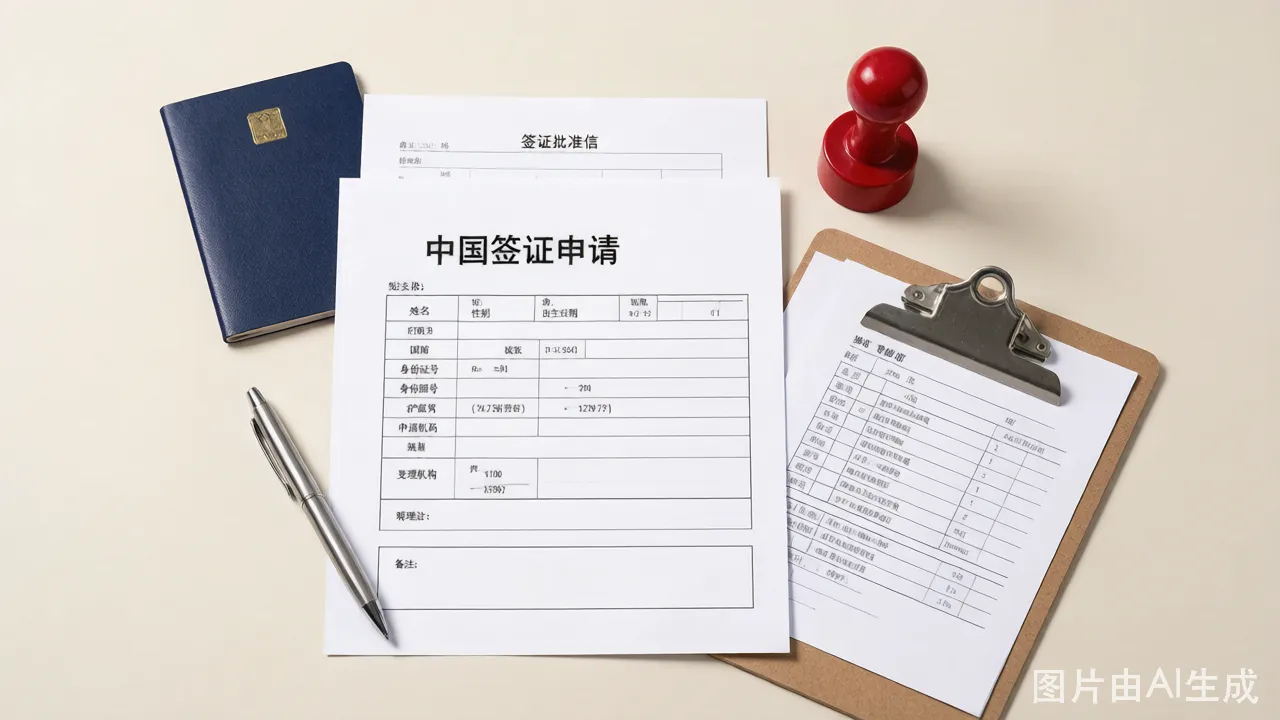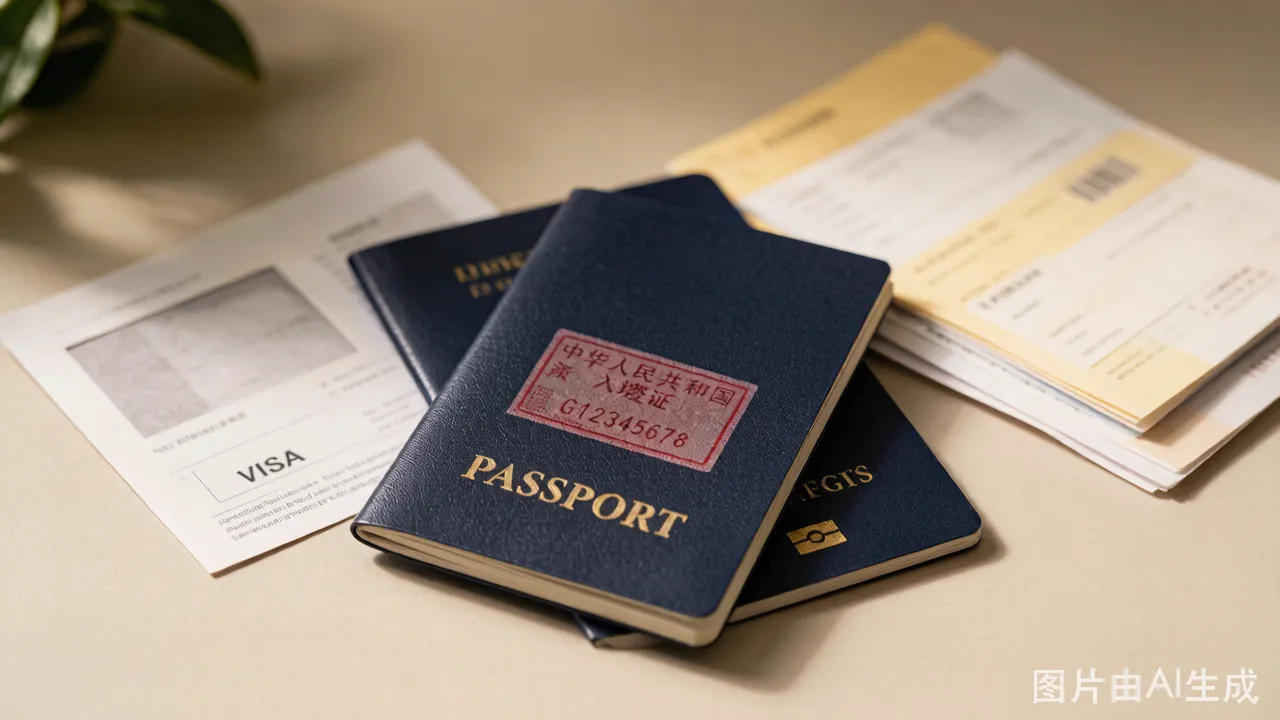
China runs a unilateral visa-free policy. Citizens of designated countries walk up to the border, hand over a passport, and get stamped in. No visa application. No fee. No waiting. This is not a visa-on-arrival. It is a genuine visa exemption.
Who Qualifies
As of February 2026, 50 countries sit on China's unilateral visa-free list. The full roster: all 27 EU member states, plus Switzerland, Norway, the United Kingdom, Australia, New Zealand, South Korea, Japan, Singapore, Malaysia, Thailand, Russia, and Brunei.
The policy for 49 of these countries runs through December 31, 2026. Russia's coverage extends to December 31, 2027. Brunei's has no expiration date. Check the National Immigration Administration website before you book — countries get added and removed quarterly.
What You Can Do (and What Gets You Sent Home)
Border officers classify your purpose into permitted and prohibited buckets. The distinction matters. Misstate your reason for entry and the officer denies you on the spot.
Activities the visa-free policy covers:
- Tourism. Visit the Great Wall at Mutianyu. Walk the Bund in Shanghai. Eat hotpot in Chengdu. Join a guided tour of the Terracotta Warriors in Xi'an. Rent a bike on Xi'an's city wall. You can book hotels, buy train tickets, enter scenic spots, and use ride-hailing apps.
- Business meetings and trade negotiations. Attend the Canton Fair in Guangzhou. Negotiate a supply contract with a Shenzhen manufacturer. Tour a factory floor in Dongguan. Sign a distribution agreement over lunch in Yiwu. You cannot operate machinery, supervise production shifts, or collect a local salary.
- Visiting family or friends. Stay at a relative's apartment in Beijing. Attend your cousin's wedding in Hangzhou. Meet your partner's parents in Kunming. The host must register your stay with local police within 24 hours. Hotels do this automatically. Private households must do it at the nearest police station.
- Academic and cultural exchanges. Speak at a university seminar. Perform in a non-commercial music festival. Attend an artist residency (unpaid). Judge a student competition. You cannot enroll as a student, earn course credits, or receive payment from a Chinese institution.
- Transit. Fly into Shanghai Pudong, take the maglev into the city for a 12-hour layover, and continue to Tokyo. You need a confirmed onward ticket to a third country departing within the 30-day window.
Activities the visa-free policy does not cover:
- Paid work. A Shanghai tech company wires you 15,000 RMB for a month of consulting. You teach English classes at a training center in Nanjing for 200 RMB per hour. You bartend at a hostel in Dali in exchange for room and board. All of these violate the policy. Border officers check your stated purpose against your visa-free status. A single mention of "I'm here to help with the project" or "the company is paying my expenses" triggers additional screening.
- Enrollment in study programs. Register for a semester at Peking University. Join a 3-month Mandarin course at a Chengdu language school. Even a 2-week certificate program at a Shanghai business school requires an X2 visa. The visa-free policy is not a shortcut past student visa requirements.
- Long-term residence. You cannot chain visa-free entries to live in China. A pattern of 30-day stays followed by quick exits and returns flags your record. The third or fourth re-entry may trigger a secondary inspection and questions about your actual residence status.
- Journalism without authorization. Report on a factory fire in Guangdong. Interview local officials. Publish an article about Chinese politics for a foreign outlet. All require prior accreditation through China's Foreign Ministry. Visa-free entry gives you zero journalistic privileges.
Before You Fly: Airline Gate Checks
The first person who decides whether you board the plane is not a Chinese border officer. It is the airline gate agent at your departure airport.
Airlines face heavy fines for carrying passengers who get rejected at Chinese immigration. As a result, airline staff run their own document check before you step onto the jet bridge. Here is what happens.
At the check-in counter. The agent scans your passport. Their system checks against the Timatic database, which lists entry requirements for every country. If your nationality appears on China's visa-free list, the screen shows green. The agent confirms two things: your passport has 6 months of validity left, and your return or onward ticket departs China within 30 days of arrival. If either check fails, the agent calls a supervisor.
The one-way ticket problem. You approach the counter with a Singapore Airlines e-ticket. Your itinerary shows London to Shanghai, no return leg. The agent asks: "Do you have a ticket out of China?" You say you plan to buy one later. The agent refuses boarding. This happens routinely at Heathrow, JFK, Frankfurt, and Dubai. Airlines do not accept "I'll figure it out later." Buy a refundable onward ticket before you leave for the airport. Cancel it after you clear immigration in China. A refundable 24-hour ticket on a Chinese airline costs about $50 to $80 and solves this problem entirely.
The passport validity check. Your flight departs on November 15. Your passport expires on April 20 of the following year. That is 5 months and 5 days. The gate agent counts the months and sees less than 6. They deny boarding. You lose the ticket. The 6-month count starts from your date of entry into China, not from your departure date. If you have a layover in Dubai that eats a day, factor that in. Buy a new passport if you are cutting it close.
What to bring to the airport. Carry printed copies of: your return flight confirmation, your first hotel booking covering at least 3 nights, and a screenshot of your completed Health Declaration QR code. Gate agents in some airports (AMS, CDG, LAX) ask for hotel confirmations before issuing a boarding pass. Do not rely on showing them your phone. Print the documents. Phones die. Airport Wi-Fi fails.
Connecting flights. If you fly London to Guangzhou via Doha on two separate tickets, the Doha gate agent checks your eligibility to enter China. If your Doha layover is 6 hours and you booked the segments separately, you face inspection twice: once at your origin and once at your transit point. Book a single-ticket itinerary to avoid this headache.
At the Border Desk
You step off the plane at Beijing Capital Airport Terminal 3. Follow the signs for International Arrivals. You walk down a long corridor and enter the immigration hall. Rows of counters sit under a digital board showing queue times. Foreign passport holders line up on the right.
You pick a counter. Step forward. A border officer in a dark blue uniform sits behind glass. You slide your passport through the slot. A camera above the counter photographs your face.
Here is how the conversation goes:
Officer: Passport.
You hand it over. The officer opens it to the data page. They look at you. Then at the photo. Then back at you.
Officer: Purpose of visit?
You: Tourism.
Or: "Business meeting." Or: "Visiting family."
Say exactly what you will do. Three words maximum. Do not narrate your life story. Do not say "Well, I'm kind of here for a mix of things." The officer wants a category, not a story.
Officer: How long will you stay?
You: Fourteen days.
Give the exact number. Not "a couple weeks." Not "maybe two or three." If your return ticket says 14 days, say 14 days. The officer may check your answer against the exit date on your departure ticket.
Officer: Where will you stay?
You: Holiday Inn Beijing Chaoyang, 98 Beiyuan Road.
Or: "My sister's apartment. She lives at [address]. Her phone number is [number]."
Have the address written down. Read it. Do not mumble a neighborhood name and expect the officer to accept it. Hotels are easier. Officers process hotel addresses faster because the hotel registration system connects to the police database. Private addresses trigger more questions.
Officer: Show me your return ticket.
You slide a printed copy under the glass. The officer scans the departure date and flight number. They confirm the city matches your stated destination.
Some officers type this into their terminal. Others just look and nod.
The officer may ask for your hotel booking, your Health Declaration QR code, or your invitation letter. Have everything in one folder. Hand it over without fumbling. Fumbling signals you are unprepared. Prepared travelers get stamped faster.
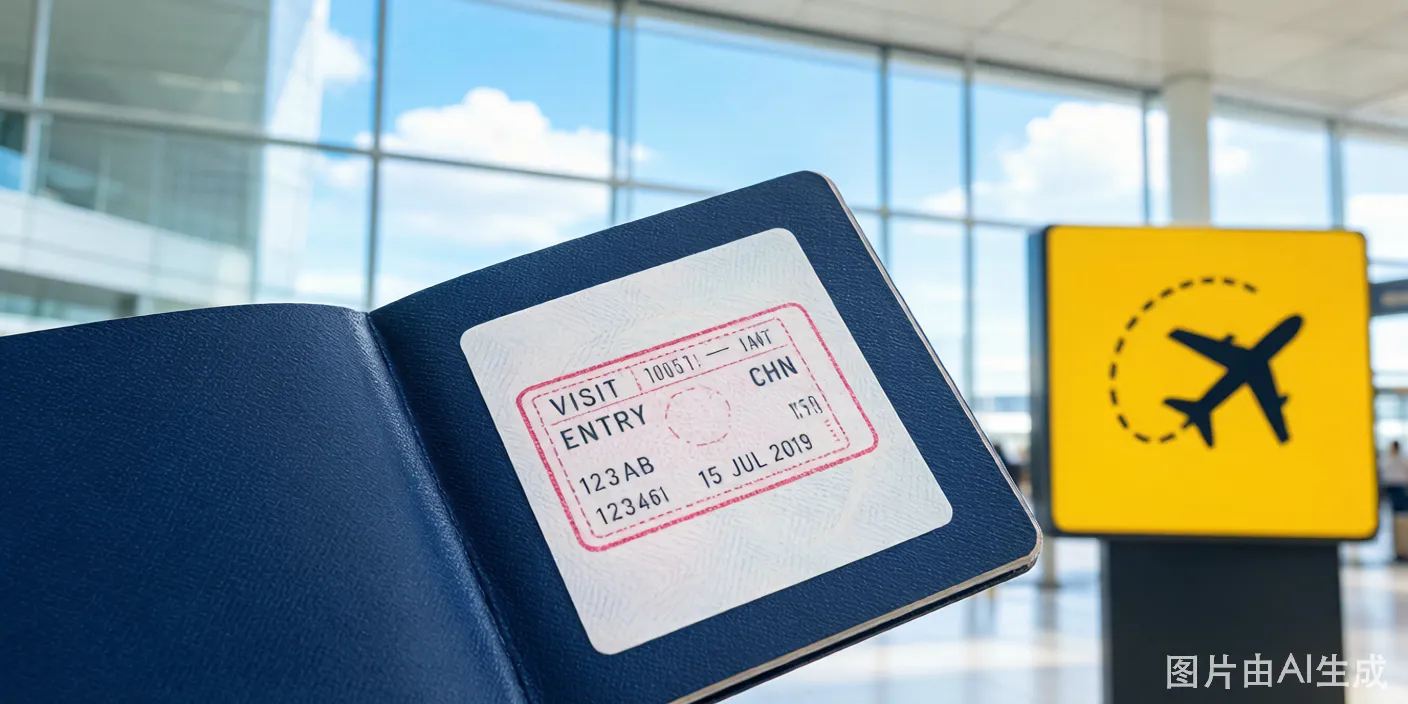
The stamp. The officer picks up a rectangular stamp, presses it into your passport, and slides the passport back. Look at the stamp before you walk away. Confirm three things:
- The entry date is today's date.
- The stamp is legible — not smeared or half-printed.
- The exit deadline is clearly marked (usually handwritten above the stamp).
If the stamp is smeared, point it out. Ask for a clear one. A blurry stamp creates problems when you try to leave. The exit officer may not be able to confirm your legal entry date and will pull you aside for verification. That takes 20 to 45 minutes. Fix it now.
The permitted stay notation. Below or beside the stamp, the officer writes a date in blue or black pen using the format "YYYY.MM.DD." That date is the last day you can legally stay in China. Count the days yourself. If you arrived June 1 on a 30-day visa-free entry, the exit date should be July 1. If the officer writes June 28 by mistake, speak up immediately. Once you walk away from the counter, correcting an error requires a visit to the Exit-Entry Administration Bureau.
Required Documents at Entry
Border officers keep a checklist. They may not ask for every item, but they can. Carry everything.
- Passport with at least 6 months validity remaining from your entry date. Not from your flight date. Not from your application date. From the day you stand at this counter.
- Return or onward flight ticket showing a confirmed seat and departure date within 30 days of arrival.
- Hotel booking confirmation or the full address and phone number of your host. Hotels handle police registration automatically. Private hosts must register you at the nearest police station within 24 hours of your arrival. If the officer suspects your host will not do this, they may deny entry.
- Completed Health Declaration Form. Submit this online within 24 hours before arrival. The confirmation page generates a QR code. Screenshot it. Print it. The officer may scan it or wave you through.
How Long You Can Stay
The maximum stay is 30 days per entry. Counting starts at midnight of the day after you arrive. Land on June 1. Your clock starts June 2. You must exit by July 1. The border officer writes this deadline directly into your passport.
There is no formal limit on how many visa-free entries you can make per year. But border officers track patterns. Two 30-day stays separated by a 3-day trip to Hong Kong will draw questions. The officer at your third entry may ask: "Where do you live?" They are probing whether you are using visa-free entries to live in China without a residence permit. If they conclude you are, they deny entry and flag your passport.
Space out your entries. Stay away for at least as long as you stayed inside. A 30-day stay followed by a 30-day absence rarely raises flags.